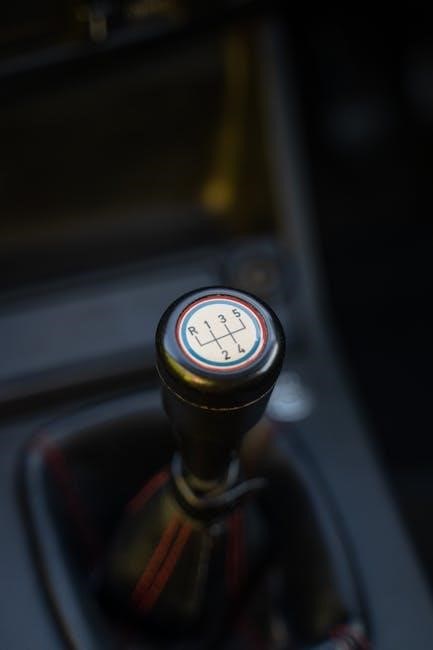
LS Engine and Manual Transmission Swaps: A Comprehensive Guide
LS engine swaps paired with manual transmissions are increasingly popular‚ offering a rewarding driving experience․ This guide explores the intricacies‚ costs‚ and considerations for successfully combining these components․
Many enthusiasts enjoy the control and engagement of a manual gearbox‚ but these swaps can be more complex and expensive than automatic counterparts‚ requiring careful planning․
LS engine swaps have become a cornerstone of the automotive modification world‚ celebrated for their power‚ reliability‚ and relative affordability․ The LS family of engines‚ originating from General Motors‚ offers a compelling upgrade for a wide variety of vehicles originally equipped with less potent powertrains․ However‚ simply dropping an LS engine into a car isn’t always enough for enthusiasts seeking a truly engaging driving experience․ This is where the integration of a manual transmission comes into play․
Combining an LS engine with a manual gearbox elevates the driving experience‚ providing greater control and a more direct connection to the vehicle․ While automatic transmissions offer convenience‚ a manual transmission allows the driver to dictate gear selection‚ optimizing performance and fostering a more visceral feel․ This guide will delve into the specifics of performing these swaps‚ covering everything from engine and transmission choices to potential challenges and solutions․ The popularity of these swaps is evident‚ as evidenced by dedicated online communities and resources‚ like the discussion thread on Grassroots Motorsports‚ where enthusiasts share their experiences and knowledge․
Successfully executing an LS and manual transmission swap requires careful planning and a thorough understanding of the components involved․
Why Choose a Manual Transmission with an LS Engine?
Pairing an LS engine with a manual transmission transcends mere mechanical preference; it’s about cultivating a deeply connected driving experience․ While LS engines deliver substantial power‚ a manual gearbox unlocks that potential‚ granting the driver complete control over the engine’s output․ This contrasts sharply with the sometimes-disconnected feel of an automatic‚ even a modern one․
The appeal lies in the enhanced engagement and responsiveness․ Drivers can precisely select gears for optimal acceleration‚ cornering‚ or engine braking․ This level of control is particularly rewarding on spirited drives or track days․ Furthermore‚ a manual transmission often contributes to a lighter vehicle weight‚ improving handling and overall performance․ However‚ it’s crucial to acknowledge that these swaps often present a higher initial cost compared to automatic conversions‚ as highlighted in online forums like Grassroots Motorsports․ Despite the expense‚ the increased driver involvement and performance benefits make the investment worthwhile for many enthusiasts seeking a truly personalized driving experience․
The choice ultimately boils down to prioritizing driver engagement and control over convenience․
Common LS Engine Choices for Manual Swaps

Selecting the right LS engine is paramount for a successful manual swap․ The LS1‚ LS3‚ and LS7 are frequently chosen due to their power potential‚ relative affordability‚ and widespread availability․ Each engine presents unique characteristics suited to different project goals․
The LS1‚ found in 1997-2004 Corvettes and Camaros‚ offers a strong foundation for a performance build․ The LS3‚ utilized in later Corvettes and Camaros‚ provides increased displacement and power output․ For those seeking maximum performance‚ the LS7‚ known from the C6 Z06‚ delivers substantial horsepower and torque․ However‚ the LS7 often commands a higher price point․
Consider your budget and desired power level when making your selection․ Online discussions‚ such as those on Grassroots Motorsports‚ emphasize the importance of matching the engine’s capabilities to the intended transmission and vehicle․ Careful planning ensures a balanced and enjoyable driving experience‚ maximizing the benefits of the LS swap․
LS1 Engine Specifications and Suitability
The LS1 engine‚ produced from 1997-2004‚ is a popular choice for manual swaps due to its balance of performance and cost․ Typically found in vehicles like the Camaro and Corvette‚ it’s a 5․7L V8 boasting around 305-350 horsepower and 325-360 lb-ft of torque‚ depending on the specific year and application․
Its direct bolt-up compatibility with the T56 transmission (from 1998-2002 Camaro/Firebird) simplifies the installation process‚ making it an attractive option for first-time swappers․ However‚ it’s crucial to assess the condition of used LS1s‚ as many have experienced significant use․
The LS1 is well-suited for a wide range of vehicles‚ offering a substantial power upgrade over many factory engines․ Online forums highlight its responsiveness and potential for modification‚ making it a versatile choice for both street and track applications․ It’s a solid foundation for a fun and engaging manual swap project․
LS3 Engine Specifications and Suitability
The LS3 engine‚ manufactured from 2008-2013‚ represents a significant upgrade over the LS1‚ offering increased displacement and power․ This 6․2L V8 typically produces around 430 horsepower and 424 lb-ft of torque‚ making it ideal for those seeking substantial performance gains․
While also compatible with the T56 transmission‚ the LS3’s increased output may push the T56 closer to its limits‚ potentially reducing its lifespan․ Pairing it with a stronger transmission like the TR6060 or T56 Magnum is often recommended for optimal reliability․
The LS3’s suitability extends to heavier vehicles or those intended for more aggressive driving styles․ It provides a robust and modern platform for a manual swap‚ offering a noticeable improvement in acceleration and overall driving experience․ Careful consideration of transmission choice is key to maximizing its potential․
LS7 Engine Specifications and Suitability
The LS7‚ a 7․0L V8 engine found in the C6 Corvette Z06 and fifth-generation Camaro SS‚ is a high-performance powerhouse․ Producing 505 horsepower and 455 lb-ft of torque‚ it demands a robust transmission setup for a manual swap․
Due to its substantial power output‚ the standard T56 transmission found in earlier Camaros is generally considered insufficient for long-term reliability with an LS7․ The TR6060‚ rated for 600 lb-ft of torque‚ is a much more suitable choice‚ offering increased strength and durability․
The T56 Magnum‚ boasting a 700 lb-ft rating‚ provides an even more robust solution for those planning extreme use or heavily modified LS7 builds․ The LS7 is best suited for drivers prioritizing maximum performance and willing to invest in a high-quality transmission to handle its capabilities․
Manual Transmission Options for LS Swaps
Selecting the right manual transmission is crucial for a successful LS swap․ Several options exist‚ each with varying levels of strength‚ cost‚ and compatibility․ The original T56 (1998-2002 Camaro/Firebird) is a popular‚ cost-effective choice‚ but its 450 lb-ft rating may limit its suitability for higher-horsepower LS engines․
The T56 Magnum represents an upgrade‚ utilizing TR6060 internals within a T56 case‚ offering a substantial 700 lb-ft capacity․ For direct bolt-up compatibility and increased strength‚ the TR6060 (2010-2015 Camaro) is an excellent option‚ rated for 600 lb-ft of torque․
Finally‚ the older F-Body LT T56 requires additional components like a different front plate‚ bellhousing‚ and input shaft to mate with an LS engine․ Careful consideration of power goals and budget will guide the optimal transmission selection․
T56 Transmission (1998-2002 Camaro/Firebird)
The T56 transmission‚ found in 1998-2002 Camaros and Firebirds‚ is a frequently chosen option for LS swaps due to its relative affordability and direct bolt-up compatibility with LS engines․ Sourcing a complete engine and transmission assembly from a wrecked vehicle simplifies the installation process considerably․
However‚ potential buyers should be aware that many used T56 units have experienced significant wear and tear․ Assessing the transmission’s condition before purchase is vital‚ as rebuilds can add to the overall cost․ Its torque rating of 450 lb-ft makes it suitable for moderately powered LS engines․
Despite potential lifespan concerns‚ the T56 remains a popular entry point into LS manual swaps‚ offering a balance of cost-effectiveness and ease of installation for many enthusiasts․
T56 Magnum Transmission
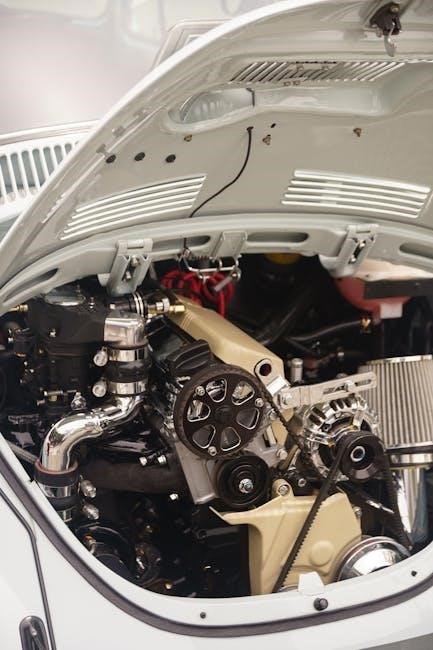
The T56 Magnum represents a significant upgrade over the standard T56‚ offering substantially increased strength and durability for high-performance LS engine swaps․ This aftermarket transmission is essentially built utilizing the robust internals of the TR6060‚ providing a substantial 700 lb-ft torque capacity․

This enhanced strength makes the T56 Magnum ideal for LS engines producing significant power‚ ensuring reliable performance even under demanding conditions․ While more expensive than a used standard T56‚ the Magnum’s increased longevity and capability often justify the investment for serious enthusiasts․

It’s designed as a direct bolt-up replacement‚ simplifying the installation process․ The T56 Magnum provides a robust and dependable manual transmission solution for powerful LS-swapped vehicles‚ offering peace of mind and enhanced performance․
TR6060 Transmission (2010-2015 Camaro)
The TR6060 transmission‚ found in 2010-2015 Camaros‚ is a factory upgrade over the earlier T56‚ offering increased strength and a more modern design for LS engine swaps․ Boasting a 600 lb-ft torque rating‚ it’s a substantial improvement for handling higher horsepower applications․
A key advantage of the TR6060 is its direct bolt-up compatibility with LS engines‚ simplifying the installation process considerably․ This eliminates the need for adapter plates or extensive modifications‚ saving both time and money․ It represents a factory replacement for the T56‚ providing a more durable and capable option․
The TR6060’s robust construction and higher torque capacity make it a popular choice for enthusiasts seeking a reliable and powerful manual transmission for their LS-swapped projects․ It’s a strong contender for builds aiming for significant performance gains․
F-Body LT T56 Transmission Considerations
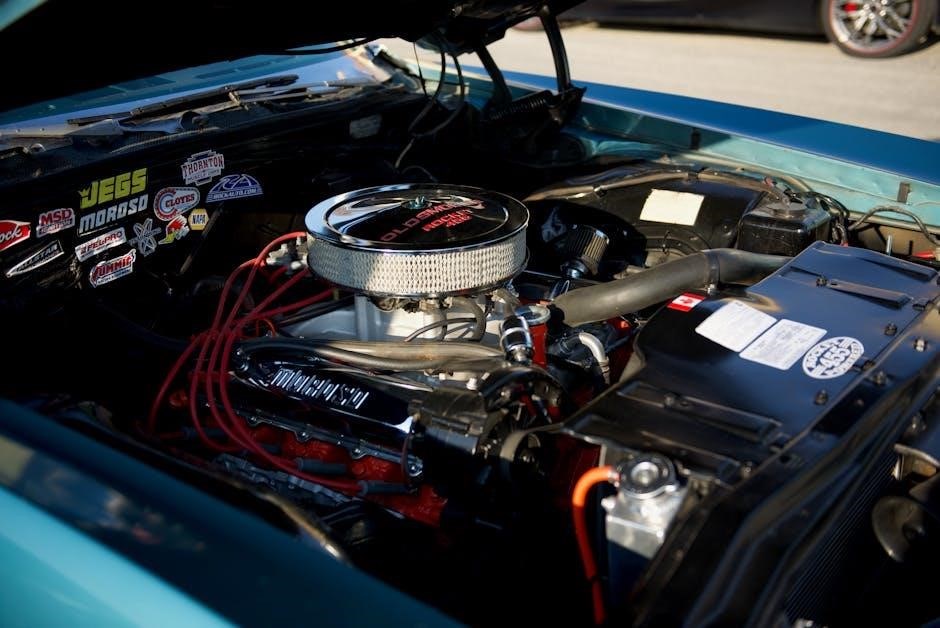
The F-Body LT T56 transmission‚ originating in older Camaros and other F-body Chevys‚ presents a more involved path for LS engine swaps compared to direct-fit options; While a cost-effective alternative‚ it necessitates several modifications to achieve compatibility with an LS block․
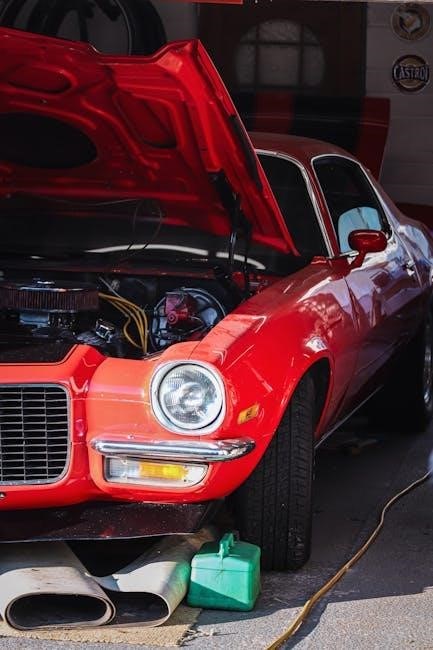
Specifically‚ utilizing an F-Body LT T56 requires a different front plate‚ a suitable bellhousing‚ and a replacement input shaft․ These components are essential to ensure proper alignment and functionality with the LS engine․ Sourcing these parts adds to the overall project complexity and expense․
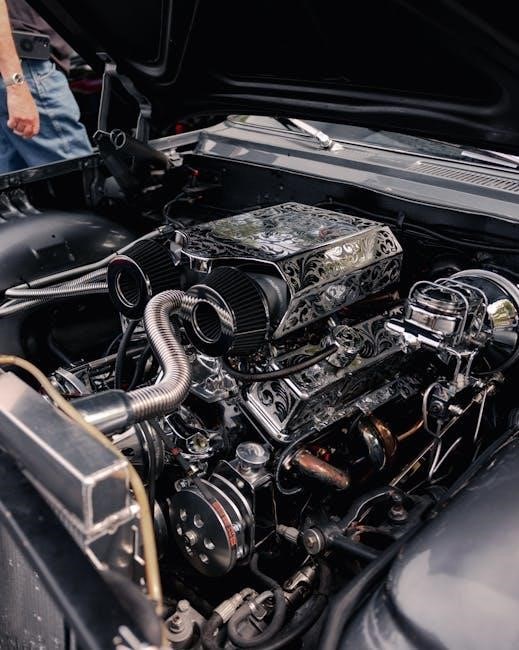
Despite the added work‚ the LT T56 can be a viable option for budget-conscious enthusiasts․ However‚ careful planning and sourcing of the correct conversion components are crucial for a successful and reliable swap․ It’s a project demanding more mechanical expertise․
Bellhousing and Adapter Plate Options
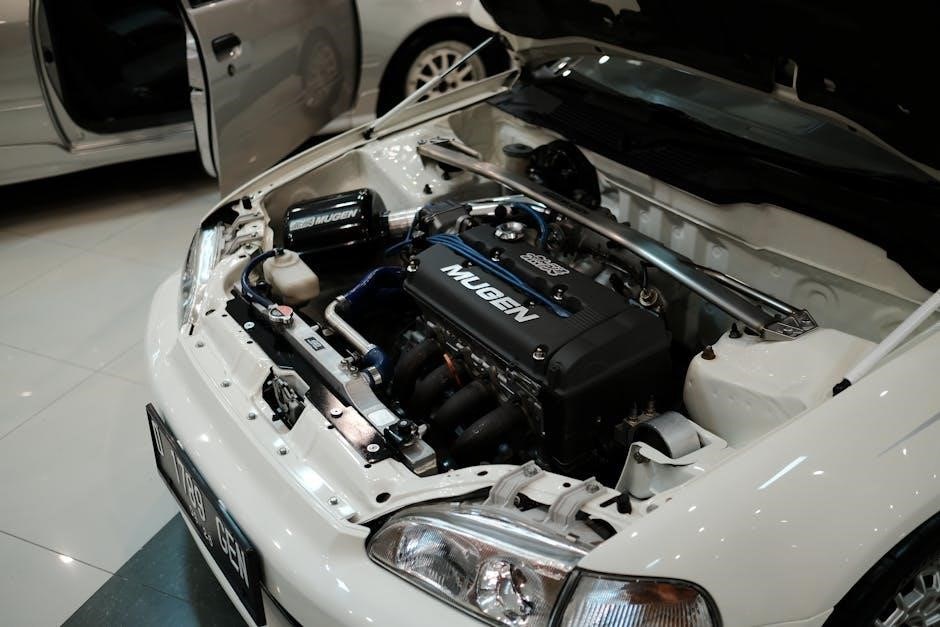
Selecting the correct bellhousing or adapter plate is paramount for a successful LS engine and manual transmission swap․ The choice depends heavily on the transmission being used and the specific LS engine variant․ Direct bolt-up options exist for certain combinations‚ simplifying the process considerably․
For transmissions like the T56 Magnum or TR6060‚ a standard LS bellhousing often suffices‚ offering a straightforward installation․ However‚ when utilizing older transmissions‚ such as the F-Body LT T56‚ an adapter plate becomes necessary to bridge the gap between the transmission’s input shaft and the LS engine’s crankshaft flange․
These adapter plates ensure proper alignment and sealing‚ preventing issues like vibration or oil leaks․ Quality and material are crucial considerations when choosing an adapter plate‚ as it bears significant stress․ Careful research and selecting a reputable brand are vital for a reliable swap․
Clutch Selection for LS Manual Swaps
Choosing the right clutch kit is critical for a smooth and reliable LS engine and manual transmission swap․ The engine’s power output and intended use – street driving‚ occasional track days‚ or dedicated racing – dictate the appropriate clutch type and capacity․
Single-disc clutch kits are generally sufficient for moderate power levels and street applications‚ offering a balance of drivability and affordability․ However‚ for higher horsepower LS engines‚ a twin-disc clutch kit becomes essential․ Twin-disc setups provide increased clamping force‚ preventing slippage and ensuring efficient power transfer․
Consider the clutch disc material (organic‚ ceramic‚ or metallic) based on your needs․ Organic offers smooth engagement‚ while ceramic and metallic provide superior grip but can be harsher․ Pressure plate clamping force and flywheel compatibility are also key factors․
Single-Disc Clutch Kits
Single-disc clutch kits represent a cost-effective and practical solution for many LS engine and manual transmission swaps‚ particularly those focused on street performance or moderate power gains․ These kits typically include a pressure plate‚ clutch disc‚ throw-out bearing‚ and alignment tool‚ providing everything needed for a complete clutch replacement․
They are well-suited for LS engines producing up to around 450-500 horsepower‚ depending on the specific kit and driving style․ Within this category‚ options vary based on disc material – organic‚ ceramic‚ or metallic – each offering different levels of grip and engagement feel․
Organic clutches provide smooth engagement and are ideal for daily driving‚ while ceramic or metallic clutches offer increased holding power for more aggressive applications․ Careful consideration of your engine’s output and intended use is crucial when selecting a single-disc kit․
Twin-Disc Clutch Kits
Twin-disc clutch kits are engineered for high-performance LS engine and manual transmission swaps‚ specifically those exceeding 500 horsepower or intended for demanding applications like track use or aggressive street driving․ These kits utilize two clutch discs and pressure plates‚ effectively doubling the clamping force and significantly increasing torque capacity․
The primary benefit of a twin-disc setup is its ability to handle substantial power while maintaining a relatively light pedal feel․ This is achieved through the increased surface area and optimized clamping mechanisms․ However‚ twin-disc clutches are considerably more expensive than single-disc alternatives․
They also require more precise adjustment and can be more sensitive to contamination․ Choosing the right twin-disc kit involves considering factors like disc material‚ pressure plate spring rates‚ and overall kit quality to ensure optimal performance and longevity․
Flywheel Considerations
Selecting the correct flywheel is crucial for a successful LS engine and manual transmission swap․ The flywheel’s weight impacts driveline harmonics‚ launch characteristics‚ and overall driving feel․ Lighter flywheels promote quicker engine response and faster acceleration‚ but can lead to increased driveline vibrations and difficulty achieving smooth low-speed launches․
Heavier flywheels offer improved stability and smoother engagement‚ particularly beneficial for street driving and higher horsepower applications․ Flywheel material choices include steel and aluminum; steel is more durable and cost-effective‚ while aluminum reduces rotational mass․
Ensure the flywheel is specifically designed for your chosen transmission and engine combination․ Correct bolt pattern and crankshaft flange compatibility are essential․ Consider whether you need a flywheel with provisions for a pilot bearing or bushing‚ depending on the transmission input shaft design․
Driveshaft Modifications and Requirements
Adapting the driveshaft is often necessary when performing an LS engine and manual transmission swap‚ particularly when changing vehicle platforms․ The original driveshaft length may not be compatible with the new engine and transmission pairing‚ requiring shortening or lengthening․
Driveshaft diameter and material strength must be adequate to handle the increased power output of the LS engine․ Upgrading to a stronger driveshaft‚ potentially with larger diameter tubing or higher-grade steel‚ is often recommended․ Consider the driveshaft’s U-joints and their angle requirements to avoid vibrations․
Proper balancing is critical to prevent vibrations at higher speeds․ A professionally balanced driveshaft ensures smooth power delivery․ Verify the driveshaft’s flange compatibility with both the transmission output shaft and the rear differential․ Custom driveshafts are frequently required for non-traditional swaps․
Pedal Assemblies and Master Cylinders
Installing a proper pedal assembly is fundamental for a successful LS and manual transmission swap‚ especially in vehicles not originally equipped with a manual․ Sourcing a complete pedal assembly – including clutch‚ brake‚ and accelerator – is crucial․ Compatibility with the vehicle’s floor pan and firewall is a primary concern․
The master cylinder must be appropriately sized for the clutch and brake systems․ Hydraulic clutch systems require a dedicated master cylinder‚ while brake master cylinders should match the brake system’s requirements․ Adjustable master cylinders allow for fine-tuning of pedal feel․
Ensure proper linkage between the clutch pedal and the transmission’s clutch fork․ Adjustable pushrods are beneficial for precise clutch engagement․ Consider the pedal height and travel to ensure comfortable operation․ Proper bench bleeding of the master cylinders is essential before installation․
Wiring and ECU Considerations for Manual Swaps
Successfully integrating the manual transmission requires careful attention to the vehicle’s wiring and Engine Control Unit (ECU)․ Automatic transmission signals must be removed or disabled‚ and manual transmission-specific inputs added․ This often involves modifying the existing wiring harness or utilizing a standalone ECU․
The ECU needs to be reprogrammed to recognize the manual transmission and disable any automatic transmission-related functions․ This includes removing torque management strategies designed for automatics․ Proper tuning is vital for optimal performance and reliability․
Consider the Vehicle Speed Sensor (VSS) input‚ as it’s crucial for accurate speedometer readings and proper transmission operation․ Ensure compatibility between the VSS and the ECU․ A neutral safety switch or clutch safety switch is also necessary for safe starting and operation․
Common Challenges and Solutions in LS Manual Swaps
LS manual swaps‚ while rewarding‚ often present unique challenges․ A frequent issue is locating a suitable‚ undamaged transmission; used T56 units‚ for example‚ may have experienced hard lives‚ impacting longevity․ Thorough inspection and potentially a rebuild are often necessary․

Clearance can be problematic‚ particularly with certain chassis and transmission combinations․ Modifications to the transmission tunnel or exhaust system may be required․ Pedal assembly fitment can also be tricky‚ often necessitating custom brackets or adapters․
Wiring integration is another common hurdle․ Ensuring proper ECU tuning to disable automatic transmission functions and correctly interpret manual transmission signals is crucial․ Finally‚ driveshaft length and angles often need adjustment to avoid vibrations and ensure smooth operation․ Careful measurement and custom fabrication are frequently needed․