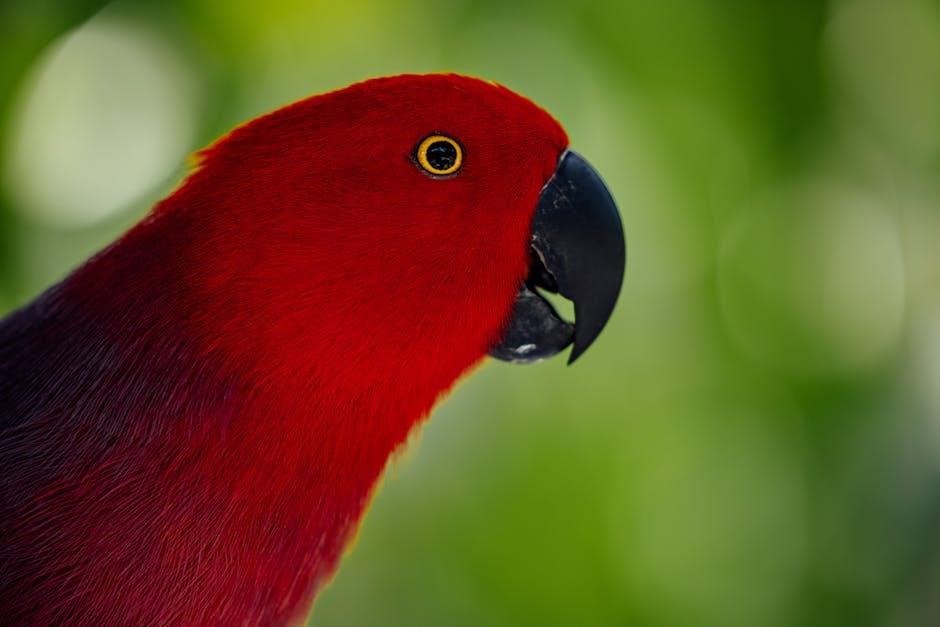
Parrot and Oven Safety: Understanding the Risks – A Comprehensive Guide
Recent discussions highlight accidental exposures, like birds flying into kitchens, and the dangers of self-cleaning ovens․
Oven cleaning fumes are potentially fatal to birds, as noted in cleaning instructions․
PTFE/PFOA toxicity remains a significant concern for parrot owners, requiring preventative measures․
The “Parrot in the Oven” Phenomenon: Origins and Context
The chilling phrase “parrot in the oven” stems from tragically common incidents where birds, often due to accidental escapes or curious exploration, have perished after exposure to heated, non-stick cookware or oven cleaning cycles․ This isn’t a modern issue; anecdotal evidence and veterinary reports have surfaced for decades, gradually coalescing into a recognized, severe hazard for avian pets․ The core of the problem lies in the release of toxic fumes when these materials are heated to high temperatures․
Initially, awareness was limited, with many owners unaware of the lethal potential of seemingly innocuous kitchen activities․ The rise of online parrot communities and dedicated avian veterinary resources has significantly increased understanding, yet cases continue to occur, often due to a lack of widespread public knowledge․ The term itself has become a stark warning within the parrot-owning community, representing a preventable tragedy․ Discussions online reveal a surprising number of people still unaware of the dangers of Teflon, highlighting the need for continued education․ The phenomenon underscores the unique vulnerability of birds to airborne toxins, given their highly efficient respiratory systems․
Understanding PTFE and PFOA: The Toxic Cookware Connection
Polytetrafluoroethylene (PTFE), commonly known as Teflon, and Perfluorooctanoic Acid (PFOA) are the key culprits in cookware-related parrot toxicity․ PTFE is a synthetic fluoropolymer used to create non-stick coatings, while PFOA was historically used in the manufacturing process of Teflon – though its production has been largely phased out due to health concerns․ However, residual PFOA can still be present in older cookware․
The danger isn’t from the cookware itself at room temperature․ It’s the fumes released when these coatings are overheated – typically above 500°F (260°C)․ Even at lower temperatures, gradual degradation can occur․ These fumes are invisible, odorless, and incredibly toxic to birds, whose sensitive respiratory systems lack the enzyme needed to break down the chemical compounds․ The fumes cause a condition known as polymer fume fever, leading to pulmonary edema and ultimately, respiratory failure․ The connection is so strong that discarding Teflon cookware is a standard recommendation within the avian veterinary community․
How Teflon and Non-Stick Coatings Harm Parrots
Teflon and similar non-stick coatings pose a severe threat to parrots due to their release of toxic fumes when heated; Even seemingly minor overheating – well below the advertised “safe” temperatures – can initiate this process․ Birds possess a unique respiratory system, highly efficient for oxygen exchange, but tragically vulnerable to these fumes․ Unlike humans, parrots lack the necessary enzymes to metabolize the compounds released by degrading PTFE and PFOA․
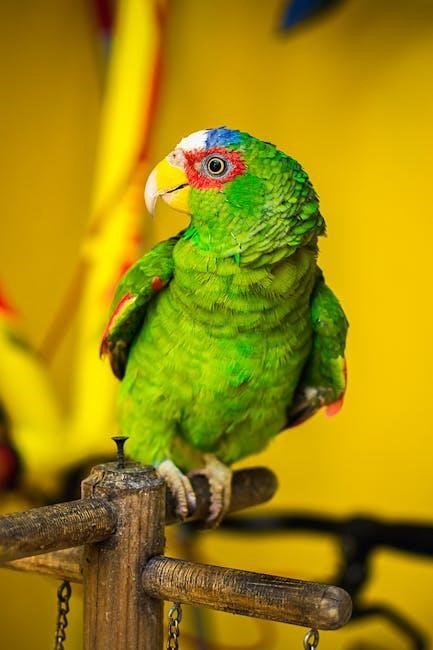
These fumes, invisible and odorless, cause polymer fume fever, a condition characterized by inflammation of the lungs․ Symptoms rapidly escalate, leading to pulmonary edema (fluid accumulation in the lungs) and ultimately, respiratory distress and failure․ The speed of onset is alarming; exposure can be fatal within hours․ It’s not just direct exposure from cookware either; the fumes can permeate a home, affecting birds in adjacent rooms․ Therefore, complete removal of Teflon-coated items is crucial for a bird-safe environment, prioritizing preventative measures over reactive treatment․
The Dangers of Self-Cleaning Oven Cycles for Birds
Self-cleaning oven cycles represent an exceptionally high risk to parrots․ These cycles operate at extremely high temperatures – often exceeding 900°F (482°C) – generating intense fumes far beyond the threshold for safe exposure․ Even with a seemingly sealed kitchen, these fumes readily circulate, penetrating cracks and crevices to reach sensitive avian respiratory systems․ The fumes aren’t limited to PTFE/PFOA breakdown; burning food residue and oven components also contribute to the toxic cocktail․
Crucially, the cleaning instructions for many ovens explicitly warn against the presence of birds during the self-cleaning process, acknowledging the potential for fatal consequences․ The prolonged duration of the cycle exacerbates the danger, increasing the cumulative exposure․ Alternatives like manual cleaning, while requiring effort, are demonstrably safer․ Avoiding self-cleaning cycles entirely is the most prudent course of action for parrot owners, prioritizing the bird’s health over convenience․ The risk is simply too great to justify its use;
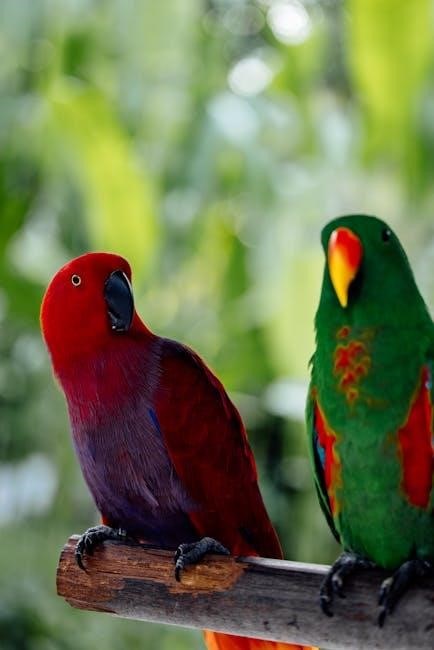
Oven Cleaning Fumes: A Lethal Threat to Avian Respiratory Systems
Parrots possess uniquely sensitive respiratory systems, far more efficient than those of mammals, but also significantly more vulnerable to inhaled toxins․ Their air sacs, extending beyond the lungs, lack the filtering mechanisms present in mammalian systems, allowing fumes to penetrate deeply and rapidly․ Oven cleaning fumes, containing decomposition products of PTFE/PFOA, burnt food, and other materials, are particularly devastating․
These fumes cause immediate and severe irritation to the delicate lining of the respiratory tract, leading to inflammation, pulmonary edema, and ultimately, respiratory failure․ Even brief exposure can be fatal, especially in smaller bird species․ Symptoms can manifest quickly, including labored breathing, weakness, and loss of coordination․ The insidious nature of these fumes means that birds may succumb before owners even recognize the danger․
The concentration of toxins, duration of exposure, and the bird’s overall health all contribute to the severity of the outcome․ Complete avoidance of oven cleaning fumes is paramount for parrot wellbeing․
Beyond Teflon: Other Household Hazards for Parrots
While Teflon and non-stick cookware receive significant attention, numerous other household items pose risks to parrots․ Ion-producing appliances, such as hairdryers, are now recognized as potentially toxic, with manufacturers acknowledging reports of bird fatalities linked to their use․ The exact mechanism isn’t fully understood, but the emitted ions are suspected to be harmful․
Even seemingly benign activities like cast iron seasoning can present dangers․ Burning off seasoning releases fumes that, while not as acutely toxic as PTFE/PFOA, can still irritate a parrot’s sensitive respiratory system․ Accidental exposures are also common; birds can fly into kitchens, encountering various hazards․
Furthermore, general household cleaning products, aerosols, scented candles, and even cigarette smoke contribute to a toxic environment․ Vigilance and proactive hazard mitigation are crucial for ensuring a safe home for your avian companion․ A bird-safe home requires a holistic approach, extending beyond cookware considerations․
Ion-Producing Appliances: Hairdryers and Potential Bird Toxicity
Recent information reveals a concerning link between ion-producing appliances, specifically hairdryers, and parrot health․ Direct communication with Conair, a major appliance manufacturer, confirms that these devices pose a risk to birds, irrespective of PTFE/PFOA concerns․ The company acknowledges receiving reports of bird deaths from users employing ion-generating hairdryers․
While the precise toxic mechanism remains unclear, the emitted ions are strongly suspected of being detrimental to avian respiratory systems․ Parrots possess uniquely sensitive pneumonary systems, making them particularly vulnerable to airborne irritants and toxins․ This vulnerability extends beyond traditional cookware-related hazards․
Therefore, parrot owners should exercise extreme caution when using any appliance that generates ions․ Consider alternative methods or relocate birds to a well-ventilated, separate room during operation․ Prioritizing preventative measures is crucial to safeguarding your parrot’s well-being and avoiding potentially fatal exposure․
Cast Iron Seasoning and Potential Risks to Parrots
The process of seasoning cast iron cookware, while generally safe for humans, presents a potential hazard to parrots․ Accidental burning of the seasoning off a cast iron pan releases fumes that, though not as acutely toxic as PTFE/PFOA, can still irritate a bird’s sensitive respiratory system․ These fumes contain microscopic particles and volatile organic compounds (VOCs)․
While not definitively established as lethal like Teflon fumes, the smoke produced during seasoning burn-off can cause discomfort, respiratory distress, and potentially long-term health issues in parrots․ The severity of the risk depends on the extent of burning, the ventilation in the kitchen, and the bird’s individual sensitivity․
Prudent parrot owners should ensure excellent ventilation when seasoning cast iron, ideally removing the bird from the immediate area entirely․ Avoiding excessive heat during seasoning and promptly addressing any burning smells are crucial preventative steps․ Regular maintenance of seasoning can minimize the need for intensive burn-off procedures․
Accidental Exposure: Birds Flying into Kitchens and Near Ovens
A significant, often overlooked, risk stems from accidental bird entry into kitchens, particularly during cooking or cleaning․ As reported instances demonstrate, birds can unexpectedly fly into kitchens through open doors or windows, placing them directly in harm’s way․ This is especially dangerous when ovens are in use, or recently cleaned, releasing potentially toxic fumes․
The allure of kitchen smells, or simply a bird’s exploratory nature, can lead to these unintended incursions․ Once inside, a bird might fly directly towards heat sources, including ovens, or inhale harmful airborne particles․ The immediate environment around an oven, even when not actively in use, can retain residual fumes․
Preventative measures include keeping kitchen doors closed, securing windows with screens, and being vigilant about bird access during cooking and cleaning․ If a bird does enter the kitchen, immediate removal to a well-ventilated area is crucial, alongside observation for any signs of respiratory distress or illness․
Symptoms of PTFE/PFOA Poisoning in Parrots
Recognizing the signs of PTFE/PFOA poisoning in parrots is critical for prompt intervention․ Initial symptoms often manifest as subtle changes in behavior, including lethargy, weakness, and a decreased appetite․ Birds may exhibit difficulty breathing, characterized by labored respiration, tail bobbing, and open-mouth breathing – a clear indication of respiratory distress․
As the poisoning progresses, more severe symptoms can emerge․ These include vocalizations that sound raspy or congested, and the potential for fluid buildup in the lungs, leading to pulmonary edema․ Neurological signs, such as incoordination, tremors, or even seizures, may also be observed․
The onset of symptoms can be rapid, sometimes within hours of exposure․ It’s vital to remember that even seemingly minor exposure can trigger a reaction․ Any bird displaying these symptoms after potential exposure to Teflon fumes or related toxins should be immediately examined by an avian veterinarian․ Early diagnosis and treatment significantly improve the chances of survival․
First Aid for Suspected PTFE/PFOA Exposure
If you suspect your parrot has been exposed to PTFE/PFOA fumes, immediate action is crucial․ The first step is to remove the bird from the source of contamination – the kitchen or area where fumes are present – and place it in a well-ventilated room with fresh air․ Ensure the bird is in a calm and quiet environment to minimize stress․
Do not attempt to induce vomiting or administer any home remedies without veterinary guidance․ Contact an avian veterinarian immediately, explaining the suspected exposure and observed symptoms․ Time is of the essence, as the condition can deteriorate rapidly․
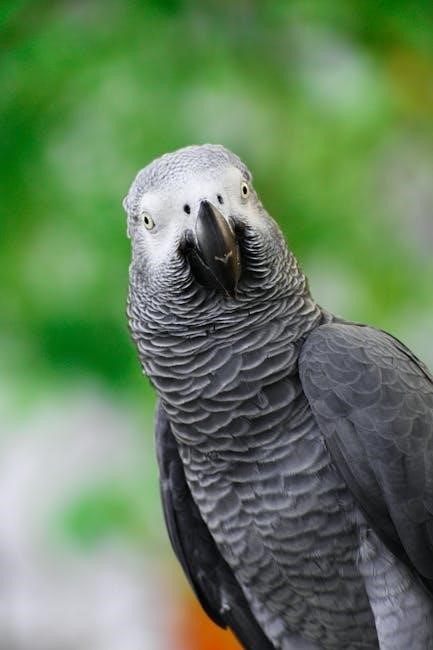
While awaiting veterinary care, keep the bird warm and comfortable․ Offer fresh water, but do not force it to drink․ Monitor its breathing closely and note any changes․ Oxygen therapy, administered by a veterinarian, is often a critical component of treatment․ Prompt veterinary intervention significantly increases the chances of a positive outcome․
Preventative Measures: Creating a Bird-Safe Kitchen Environment
Establishing a bird-safe kitchen is paramount for parrot owners․ Avoid using Teflon or non-stick cookware entirely, opting for safer alternatives like cast iron, stainless steel, or ceramic․ If you must use self-cleaning ovens, never operate the self-cleaning cycle while birds are present in the house, and ensure excellent ventilation afterward․
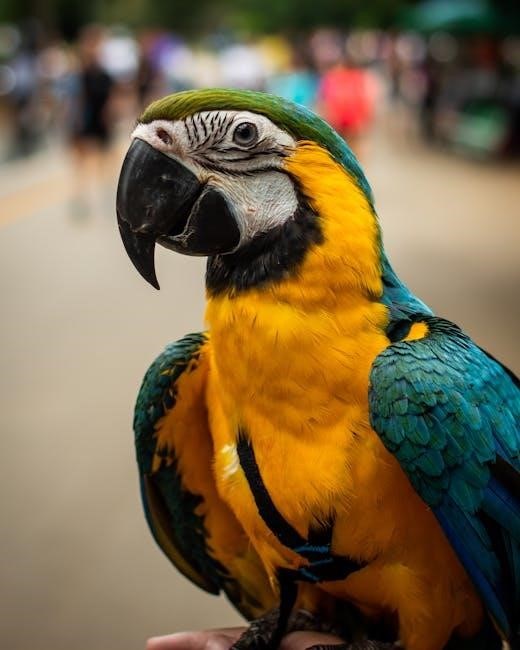
Consider designating the kitchen as a bird-free zone during cooking and cleaning․ Securely close doors to prevent accidental entry, especially given instances of birds flying into kitchens unexpectedly․ Regularly inspect and maintain appliances, being mindful of potential fume releases․
Prioritize ventilation by using exhaust fans during and after cooking․ Be aware of other potential hazards, such as ion-producing hairdryers, and limit their use around birds․ Manual oven cleaning is a safer alternative to self-cleaning cycles, minimizing fume exposure and fire risks․ Proactive measures are key to protecting your feathered companion․
Safe Cookware Alternatives for Parrot Owners
Protecting your parrot necessitates a shift away from potentially toxic cookware․ Completely eliminate Teflon and PFOA-coated pans, as even minor overheating can release harmful fumes․ Excellent alternatives include well-seasoned cast iron, though be cautious of burning off the seasoning, as this can also pose a risk․
Stainless steel cookware is another safe option, offering durability and even heating․ Ceramic cookware, specifically those labeled PFOA and PTFE-free, provides a non-stick surface without the associated dangers․ When using drip pans, avoid self-cleaning oven features, as they present both a fire hazard and release toxic fumes․
Glass cookware is also a suitable choice for many cooking tasks․ Always prioritize thorough cleaning to prevent residue buildup․ Remember, vigilance is crucial; even seemingly minor exposures can be detrimental to a parrot’s sensitive respiratory system․ Choosing safe cookware is a vital step in creating a healthy environment․
The Role of Ventilation in Mitigating Oven-Related Risks
Even with safe cookware, adequate ventilation is paramount when using an oven around parrots․ Opening windows and utilizing exhaust fans significantly reduces the concentration of any potentially harmful fumes, even those not directly related to PTFE/PFOA․ This is especially critical during and after oven cleaning, or if accidental overheating occurs․
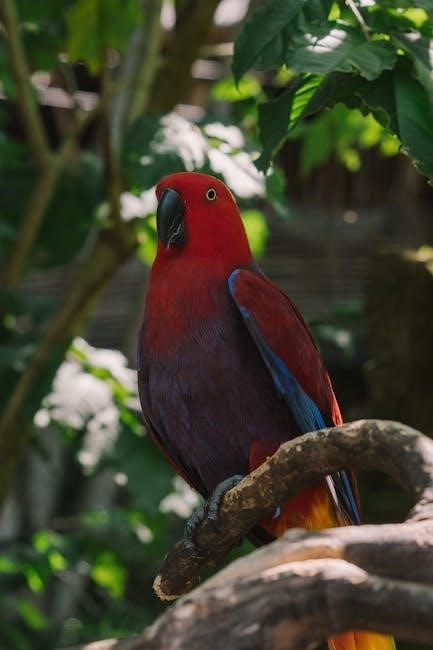
Consider a dedicated kitchen air purifier with a HEPA filter to further remove airborne particles․ However, remember that air purifiers are not a substitute for proper ventilation․ Avoid using the self-cleaning oven cycle whenever possible, as it generates extremely high temperatures and releases a complex mixture of gases․
If self-cleaning is unavoidable, relocate your parrot to a completely separate, well-ventilated room, ensuring no fumes can reach them․ Monitor the bird closely for any signs of respiratory distress even after the cycle is complete․ Prioritizing airflow minimizes risk and safeguards your feathered companion’s health․
Self-Cleaning Oven Alternatives: Manual Cleaning Methods
Given the significant risks associated with self-cleaning oven cycles for parrots, exploring manual cleaning methods is crucial for responsible ownership․ Regular cleaning prevents heavy buildup, making manual scrubbing far less arduous․ A simple solution of baking soda and water creates a paste effective at loosening grime․
Apply the paste, let it sit overnight, and then scrub with a non-abrasive sponge․ Avoid harsh chemical oven cleaners, as their fumes can also be toxic․ For stubborn areas, consider using a plastic scraper․ Drip pans and oven liners can further simplify cleaning, eliminating the need for intense scrubbing․
Using drip pans also negates the need for a self-cleaning oven altogether, reducing fire risks associated with tightly installed appliances․ While manual cleaning requires effort, it provides a safe and controlled environment for both you and your parrot, eliminating the dangerous fumes produced by high-heat cleaning cycles․
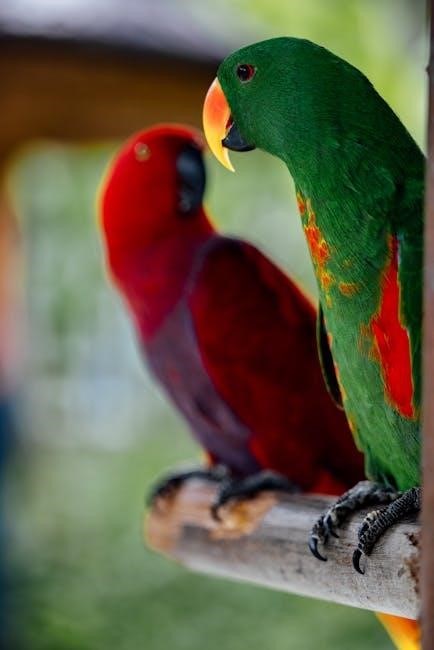
Long-Term Effects of Sub-Lethal Exposure to Oven Fumes
Even if a parrot survives acute PTFE/PFOA poisoning or exposure to oven fumes, sub-lethal exposure can cause insidious, long-term health problems․ These effects may not be immediately apparent, making diagnosis challenging․ Chronic respiratory issues, such as asthma-like symptoms or decreased lung capacity, are common consequences․
Liver damage is another potential outcome, as the liver works to detoxify the body from the harmful chemicals․ This can manifest as lethargy, changes in appetite, or abnormal feather plucking․ Neurological effects, including behavioral changes, cognitive decline, and coordination problems, have also been observed․
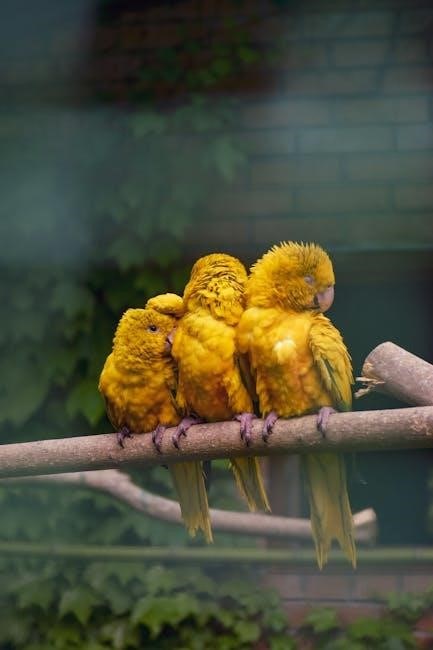
Repeated exposure, even at low levels, can weaken the immune system, making the parrot more susceptible to infections․ Regular veterinary check-ups are vital for early detection of these subtle changes․ Proactive prevention, through a bird-safe kitchen environment, remains the best defense against these potentially devastating long-term health consequences․
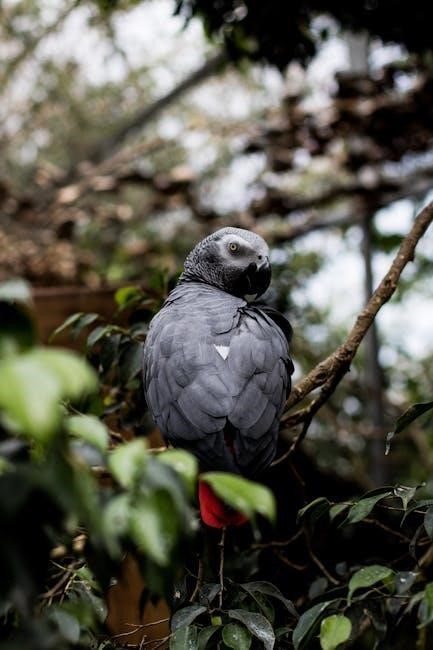
Resources and Further Information on Parrot Safety
Prioritizing parrot safety requires continuous learning and access to reliable information․ The Association of Avian Veterinarians (AAV) ([https://www․aav․org/](https://www․aav․org/)) provides a directory of avian vets and valuable resources on bird health․ The Parrot Enrichment Page ([https://www․parrotenrichment․com/](https://www․parrotenrichment․com/)) offers guidance on creating stimulating and safe environments․
Several online forums and communities, such as BirdForum ([https://www․birdforum․net/](https://www․birdforum․net/)), facilitate knowledge sharing among parrot owners․ PetMD ([https://www․petmd․com/bird](https://www․petmd․com/bird)) features articles on various avian health topics, including toxicity․ Always consult with a qualified avian veterinarian for personalized advice․
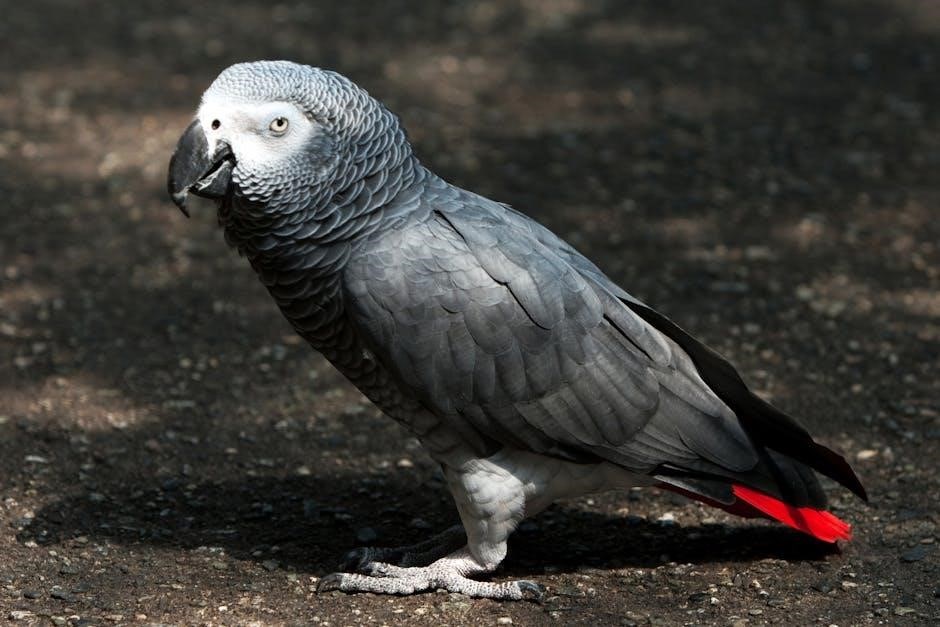
Downloadable PDFs detailing toxic substances for birds, including information on PTFE/PFOA, are available from various avian welfare organizations․ Staying informed about potential hazards, like ion-producing appliances and cast iron seasoning, is crucial for protecting your feathered companion․ Remember, prevention is always better than cure․